
Does the Thermo Ignite Supplement Contain African Mango Seed, and What Do Studies Say?
African mango (Irvingia gabonensis) seed extract was tested at 150 mg twice daily for 10 weeks in one small 2009 trial, which found less weight and waist than placebo. A later review of three trials with 208 people rated all of them poor quality. Thermo Ignite names the ingredient but does not publish the amount.
What is African mango seed, the extract in Thermo Ignite?
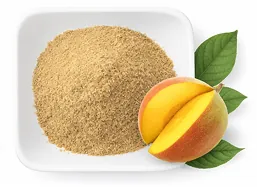
African mango is the common name for Irvingia gabonensis. It is a tall tree that grows in the forests of West and Central Africa. Its fruit looks a bit like a small mango, which explains the name.
The part used in supplements is the seed inside the fruit. Cooks in the region grind the seed to thicken soups. Supplement makers dry it and turn it into a powder or an extract.
Thermo Ignite lists African mango seed extract as one of five named ingredients. The amount per serving is not published. Our African mango ingredient page covers the plant in more detail.
- Latin name
- Irvingia gabonensis
- Part used
- Seed (dika nut)
- Form in supplements
- Seed powder or seed extract
- Name on the Thermo Ignite sales page
- African mango seed extract
- Amount per Thermo Ignite serving
- Not published
What did the 2009 Ngondi trial actually test?
The trial most often quoted in African mango ads is by Ngondi and colleagues, published in 2009 (Ngondi et al., 2009). It tested a seed extract called IGOB131 in overweight adults.
People took 150 mg of the extract twice a day for 10 weeks. A second group took a placebo. Neither the people nor the researchers knew who got which pill. That is what double-blind means.
The Ngondi 2009 trial at a glance
| Detail | What the trial used |
|---|---|
| Extract | IGOB131, a specific Irvingia gabonensis seed extract |
| Dose | 150 mg twice daily (300 mg a day) |
| Length | 10 weeks |
| Design | Randomized, double-blind, placebo-controlled |
| Main result | Weight and waist size fell more than with placebo |
| Size | One small trial |
On paper, the design was sound. The result looked strong, which is why the study spread fast online. But a single small trial, using one branded extract, is only a starting point.
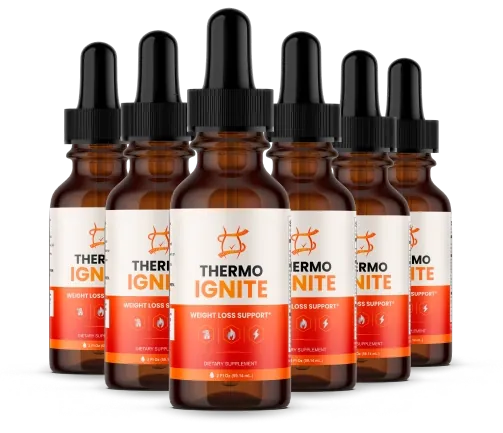
Ready to try Thermo Ignite?
Best value$49 a bottle · $294 for 6 $1,074
What did the Onakpoya review conclude about African mango?
A later systematic review by Onakpoya and colleagues looked at every randomized trial it could find (Onakpoya et al., 2013 (African mango)). There were only three, with 208 people in total.
The reviewers rated all three trials as poor quality. Small trials of weak quality can easily overstate an effect. Their conclusion was blunt: the evidence was not good enough to recommend African mango for weight loss.
How the African mango evidence stacks up (bar length shows relative strength, not weight lost)
That gap between an exciting single trial and a cautious review is common in supplement research. It does not prove African mango does nothing. It means nobody can say with confidence what it does.
Why is one positive trial not enough to trust a claim?
Science builds trust in layers. One trial is a signal. Several trials from different teams, using similar doses, start to look like a pattern. A careful review then checks whether the pattern holds.
- 1
A first trial
A small study finds a result. This is where African mango sits today.
- 2
Repeat studies
Other teams test the same extract and dose. Most African mango work has not reached this step.
- 3
A systematic review
Reviewers pool every trial and grade quality. The Onakpoya review rated all three trials poor.
- 4
Confident advice
Only then can experts say how big an effect is, if any.
When you see an ad that quotes the 2009 trial as proof, ask which step it is really on. A buyer's guide should tell you the honest answer, even when it is not exciting.
What does the NIH say about weight-loss supplements in general?
The NIH Office of Dietary Supplements (ODS) keeps a fact sheet on weight-loss supplements (NIH ODS, Weight-loss supplements). Its main message: evidence for most ingredients is limited, and the effects that do show up are small.
That fits African mango, and it fits the other four ingredients in Thermo Ignite too. Chromium was linked with about 0.5 kg more weight loss than placebo in one review. Green tea catechins and L-carnitine show small average effects as well.
None of this makes a supplement useless as part of a routine. It does mean a supplement works best as a small add-on to food, sleep and activity, not as the main plan. For a side-by-side look at the chromium research, read our post on chromium, appetite and blood sugar.
What should you look for on an African mango label?
If African mango matters to you, the label is where you check it. A clear label lets you compare a product with the research dose. Here is what a well-labeled product shows.
What a well-labeled African mango product shows
| Label item | Why it matters | Good sign |
|---|---|---|
| Ingredient name | Confirms what is inside | African mango or Irvingia gabonensis seed extract |
| Amount per serving | Lets you compare with the 300 mg a day in the 2009 trial | A number in mg on its own line |
| Servings per day | Gives you the daily total | Clear directions on the label |
| Extract type | Different extracts are different products | A named extract or ratio |
| Other ingredients | Shows caffeine sources and fillers | A full Supplement Facts panel |
| Blend totals | A blend total can hide single amounts | Each ingredient listed with its own amount |
Use the 2009 trial as a yardstick, not a target. It used 300 mg a day of one extract. A different extract at a different amount is a different product, even if the name on the front is the same.
Our full buyer checklist for weight management supplements turns these checks into a 10-point score you can use on any product.
Start your 60-day window today
Best value$49 a bottle · $294 for 6 $1,074
Where does Thermo Ignite fit with the African mango research?
Thermo Ignite names African mango seed extract on its sales page and brand graphic. It does not publish how much is in each 1 mL serving. No Supplement Facts panel was supplied, so the amount stays unknown.
That means we cannot say whether a day of the drops comes close to the 300 mg used in the 2009 trial. It could be more, less or about the same. Nobody outside the maker can tell from the published material.
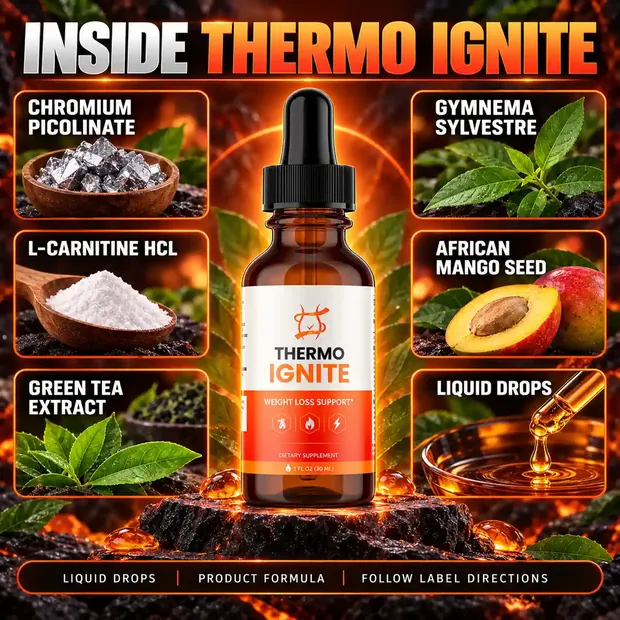
- African mango seed extract named on the sales page and brand graphicShown
- Serving and timing in the sales FAQ: 1 mL twice dailyShown
- African mango amount per servingNot published
- Extract type or ratioNot published
- Supplement Facts panel with other ingredientsNot published
- Research context: this site links the trial and the review, but the formula itself is untestedPartly
The research extract next to Thermo Ignite
| Detail | Ngondi 2009 trial | Thermo Ignite |
|---|---|---|
| African mango form | IGOB131 seed extract | African mango seed extract (type not stated) |
| Daily amount | 300 mg (150 mg twice) | Not published |
| Other ingredients | None (single extract) | Chromium, L-carnitine, green tea extract, gymnema |
| Format | Oral extract taken by mouth | Liquid drops, 1 mL twice daily |
| Tested in a trial | Yes, one small trial | No published trial of the full formula |
Is African mango in Thermo Ignite safe, and who should ask a doctor first?
The African mango trials were small and short, so they cannot give a full picture of side effects. Long-term safety has not been well studied. If a new supplement upsets your stomach, stop and check with a clinician.
The bigger questions with Thermo Ignite come from the full formula. Green tea extract can contain caffeine, and the amount is not published. Gymnema and chromium may add to diabetes medicines. Our Thermo Ignite side effects page lists each one with its source.
Thermo Ignite is a dietary supplement, not a drug, and it does not promise any amount of weight loss. †These statements have not been evaluated by the Food and Drug Administration. This product is not intended to diagnose, treat, cure, or prevent any disease.
African mango questions
Does African mango really work for weight loss?
The evidence is weak. One small 2009 trial found less weight and a smaller waist than placebo, but a later review of three trials rated all of them poor quality. The reviewers could not recommend African mango for weight loss.
How much African mango should I take a day?
There is no official dose. The best-known trial used 150 mg of a seed extract twice daily, so 300 mg a day, for 10 weeks. Follow your product label and ask a clinician if you take medicine.
How much African mango is in Thermo Ignite?
The amount is not published. The sales page names African mango seed extract, but no Supplement Facts panel was supplied, so nobody can compare one serving with the 300 mg a day used in the 2009 trial.
Is African mango the same as regular mango?
No. African mango comes from Irvingia gabonensis, a West African tree. The common mango you buy at the store is a different plant. Supplements use the seed of the African tree, not the fruit flesh.
What are the side effects of African mango extract?
The trials were too small and short to give a full picture. Long-term safety has not been well studied. Ask a doctor first if you are pregnant, breastfeeding or take any prescription medicine.
How long does it take for African mango to work?
Nobody can promise a timeline. The 2009 trial ran for 10 weeks. If you try a product with this ingredient, judge it over several weeks alongside your food, sleep and activity, and keep the refund window in mind.
Is it better to take African mango alone or in a blend?
It depends on what you want to know. A single-ingredient product usually lists a clear amount you can compare with the 300 mg a day from the 2009 trial. A blend mixes several ingredients, and some blends, including Thermo Ignite, do not publish each amount.
Is African mango FDA approved?
No. The FDA does not approve dietary supplements before they are sold. A supplement company is responsible for its own product safety and label claims.
Is African mango in the Thermo Ignite supplement?
Yes. African mango seed extract is one of the five named ingredients in the Thermo Ignite drops. The sales materials do not publish how much of it sits in one 1 mL serving, so compare the label with the research doses yourself.
What did the 2009 African mango trial test for Thermo Ignite buyers?
The 2009 Ngondi trial used 150 mg of the seed extract twice daily for 10 weeks and reported less weight and waist than placebo. It was small, and a later review of three trials with 208 people rated all of them poor quality.
Ready to try Thermo Ignite?
Order from the U.S. authorized merchant, keep your order email, and you are covered by the 60-day money-back guarantee. Questions first? Call +1 (302) 200-3480.
- Secure checkout
- 60-day promise
- Ships from the US
- Tracking by email
Keep reading
African mango
Seed fiber with one small trial; reviewers rate the evidence poor; amount not published.
Read more →Choosing a supplement
A 10-point checklist for any weight supplement, with Thermo Ignite scored 5.5 out of 10.
Read more →Chromium, appetite and blood sugar
What chromium does, the 0.5 kg evidence, cravings claims and the medicine cautions that matter.
Read more →