
African Mango Seed in Thermo Ignite: A Buyer's Look at the Evidence
African mango seed extract comes from Irvingia gabonensis, a West African tree. One small 10-week trial using 150 mg twice daily found lower weight and waist size, but a review of three trials rated all of them poor quality. Thermo Ignite names the ingredient, but the amount and extract type are not published.
African mango in Thermo Ignite: the verdict box
African mango seed has the thinnest evidence of the five Thermo Ignite ingredients. One small trial looked promising, and reviewers have doubted it since. Its safety record in short trials is reassuring.
African mango seed: buyer's verdict
| Verdict | Our summary |
|---|---|
| What it's good for | A traditional food ingredient with soluble fiber; one trial saw lower weight and waist |
| Weak evidence | Three small trials, all rated poor quality (Onakpoya et al., 2013 (African mango)) |
| Safety flag | Mild headache, gas and sleep trouble reported; long-term use unstudied |
| In Thermo Ignite | Named as African mango seed extract; amount and extract type not published |
If you are choosing a product mainly for African mango, look for one that names its extract and dose. For a blend, treat it as a minor supporting ingredient.
What is African mango seed extract in Thermo Ignite drops?
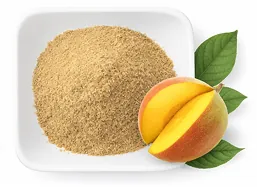
African mango is the common name for Irvingia gabonensis, a tree that grows in the forests of West and Central Africa. Its fruit looks a little like a small mango. The large seed inside is what supplement makers use.
In countries like Cameroon and Nigeria, the seeds are a cooking staple. Ground dika nuts thicken soups and stews, including ogbono soup. That thickening comes from soluble fiber, which forms a gel in water.
The Thermo Ignite sales page lists "African mango seed extract." An extract concentrates certain parts of the seed, but the type and strength are not stated.
- Plant
- Irvingia gabonensis
- Part used
- Seed (dika nut)
- Key feature
- Soluble fiber
- In Thermo Ignite
- Named; amount not published
How might African mango work, and why is it in Thermo Ignite?
The leading idea is fiber. Soluble fiber thickens in the gut, which may slow digestion and help you feel full longer. A second idea, from lab studies, is that seed compounds affect fat-cell signals.
- 1
Seed fiber meets water
Soluble fiber from the seed absorbs fluid and forms a gel.
- 2
Digestion slows
The gel may slow how fast the stomach empties.
- 3
Fullness lasts longer
Slower emptying may help some people feel satisfied with less food.
- 4
Lab signals (unproven)
Lab work suggests seed compounds may affect fat-cell hormones like leptin. Not shown to matter in people.
For Thermo Ignite, the appetite angle is the reason it fits the formula. Keep in mind that a liquid extract may hold far less fiber than a spoonful of ground seed. The mechanism is plausible but not proven.
Ready to try Thermo Ignite?
Best value$49 a bottle · $294 for 6 $1,074
What the African mango research found, and how Thermo Ignite compares
Almost everything rests on one trial. In 2009, Ngondi and colleagues gave overweight adults 150 mg of an extract called IGOB131 twice daily, or a placebo, for 10 weeks (Ngondi et al., 2009).
- Day 1
Start
Adults began 150 mg twice daily or a matching placebo.
- Day 35
Midpoint
The trial was double-blind, so neither group knew who got the extract.
- Day 70
Week 10
Weight and waist were lower in the extract group than with placebo.
African mango research for buyers
| Source | Design | Result |
|---|---|---|
| Ngondi et al., 2009 | One randomized trial, 150 mg twice daily, 10 weeks | Weight and waist fell versus placebo |
| Onakpoya et al., 2013 (African mango) | Review of 3 trials, 208 people | All poor quality; could not recommend it |
| NIH ODS, Weight-loss supplements | NIH review of weight-loss ingredients | Evidence limited; headache, gas, sleep trouble reported |
How much human data stands behind each claim (911 people = full bar)
Why reviewers doubt African mango, and what it means for Thermo Ignite buyers
The review authors were blunt. The trials were small, short and poorly reported, so the large effects they showed are hard to trust. Big results from tiny studies often shrink when better studies follow.
What holds up
- Randomized and placebo-controlled design
- Consistent direction across the three trials
- Mild side effects in the studies
What does not
- Only about 208 people across all trials
- Short follow-up, around 10 weeks
- Results tied to one branded extract, IGOB131
For a buyer, the practical point is the extract. A result from IGOB131 says little about an unnamed African mango extract at an unknown dose.
How much African mango is in Thermo Ignite?
It is not published. African mango seed extract appears among the named Thermo Ignite ingredients, but no Supplement Facts panel was supplied.
- African mango seed extract named on the sales pageShown
- Serving: 1 mL twice daily, per the sales FAQShown
- Milligrams of African mango extract per servingNot published
- Whether the extract is IGOB131 or another typeNot published
- Extract ratio or fiber contentNot published
African mango side effects and safety in Thermo Ignite
African mango was well tolerated in short trials. NIH lists headache, flatulence and sleep difficulty as reported effects (NIH ODS, Weight-loss supplements).
African mango: reported effects
| Possible effect | How often | What to do |
|---|---|---|
| Headache | Reported in trials | Usually mild; stop if it persists |
| Gas or bloating | Reported in trials | Fiber effect; often eases |
| Trouble sleeping | Reported in trials | Note timing; caffeine from other ingredients may add |
| Lower blood sugar | One trial saw lower fasting glucose | Ask a doctor if you take diabetes medicine |
NCCIH advises that supplements should not replace proven diabetes care (NCCIH, Diabetes and supplements). For all five ingredients together, read the Thermo Ignite side effects page.
Start your 60-day window today
Best value$49 a bottle · $294 for 6 $1,074
Who should skip African mango and Thermo Ignite?
Run through these questions. Your answers stay on your screen.
African mango forms and food uses
African mango shows up in kitchens and in supplement aisles. The forms differ a lot.
Ground dika nuts
Used as a soup thickener in West and Central African cooking. Rich in fiber and fat.
Seed extract
Concentrated powder or liquid in capsules and blends like Thermo Ignite. Strength varies by maker.
Branded IGOB131
The specific extract used in the 2009 trial. Labels that use it usually say so.
A buyer tip: whole ground seed brings real fiber, while a liquid extract mainly brings concentrated seed compounds. If fullness is your goal, a fiber-rich diet is the better-tested route. Extracts are about convenience.
How African mango pairs with the other Thermo Ignite ingredients
African mango covers the fullness angle in Thermo Ignite. The other four handle different jobs.
Chromium picolinate
Chromium supports insulin. Both have light glucose data, so diabetes medicine users should check.
Gymnema sylvestre
Gymnema dulls sweet taste. Together they aim at appetite from two sides.
Green tea extract
Green tea adds caffeine, which may also affect sleep. Worth timing doses with care.
L-carnitine HCL
L-carnitine moves fat into cells for energy. Different pathway; no known clash.
No trial has tested all five together. See the full lineup on the Thermo Ignite ingredients page.
African mango questions
Does African mango really work for weight loss?
The evidence is weak. One small 2009 trial found lower weight and waist size with 150 mg twice daily for 10 weeks. A later review of three trials rated them all poor quality and could not recommend African mango for weight loss.
What are the side effects of African mango?
Reported side effects were mild: headache, gas and trouble sleeping. NIH notes these in its weight-loss supplement review. Long-term safety has not been well studied.
How much African mango should I take a day?
The best-known trial used 150 mg of a specific seed extract twice daily, or 300 mg a day. No dose is proven for weight. Follow your product label.
What is IGOB131?
IGOB131 is the name of the African mango seed extract used in the 2009 Ngondi trial. Results from that branded extract may not apply to other African mango products. Check whether a label names the extract it uses.
Is African mango the same as regular mango?
No. African mango is Irvingia gabonensis, a different tree from the common mango you buy at the store. Supplements use its seed, not the fruit flesh.
When is the best time to take African mango?
The trial gave the extract twice a day, but no study shows a best time for weight. With Thermo Ignite, follow the sales FAQ: 1 mL twice daily, or your bottle's directions.
Is African mango safe to take every day?
It appears well tolerated in short trials of up to about 10 weeks. Longer use has not been studied well. Ask a doctor first if you are pregnant, take medicine or have a health condition.
Can African mango lower blood sugar?
The 2009 trial reported lower fasting glucose, but that is one small study. If you take diabetes medicine, ask your doctor before using it. It is not a diabetes treatment.
Does African mango suppress appetite?
It might help a little with fullness, but this is not proven. The idea is that soluble fiber from the seed slows digestion. No strong trial has measured appetite as a main result, so treat appetite claims with care.
How much African mango is in Thermo Ignite?
The amount is not published. The sales page names African mango seed extract, but no Supplement Facts panel was supplied. The label also does not say whether it is the IGOB131 extract.
Ready to try Thermo Ignite?
Order from the U.S. authorized merchant, keep your order email, and you are covered by the 60-day money-back guarantee. Questions first? Call +1 (302) 200-3480.
- Secure checkout
- 60-day promise
- Ships from the US
- Tracking by email
Keep reading
Ingredients
All five actives, their research doses and what the label does not publish yet.
Read more →African mango seed research
One small 2009 trial, a cautious review, and why the Thermo Ignite amount stays unknown.
Read more →Side effects
Side effects by ingredient, four drug interactions, liver signs and when to stop.
Read more →